Ten-odd Days
traipsing to see the world, our way
Tag: 日本
First Permanent Capital and City of Vitality
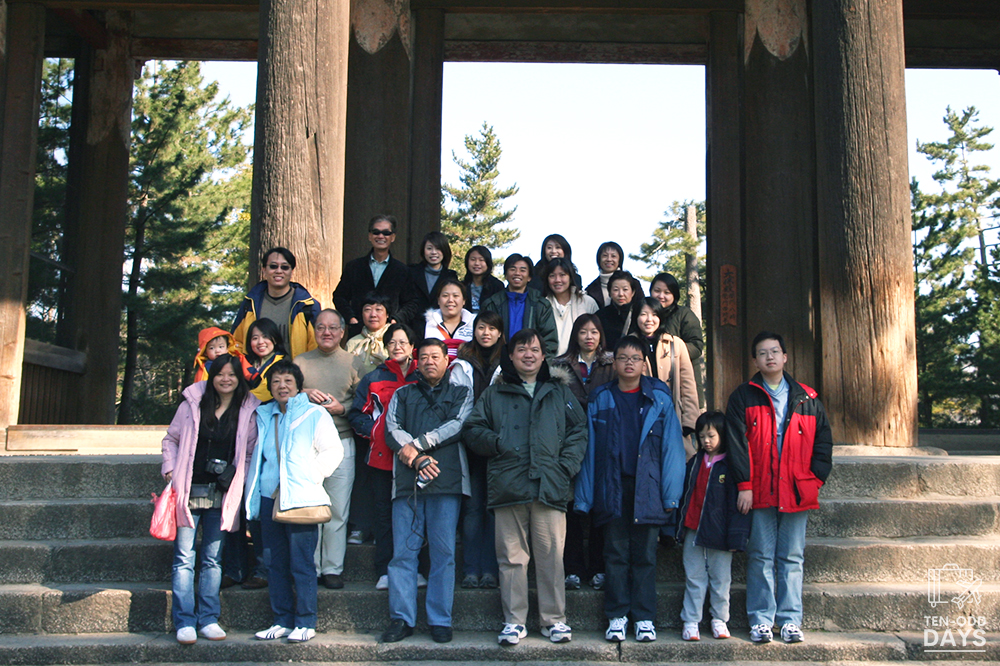
Without a doubt, the cities I am referring to are Nara (奈良市) and Osaka (大阪) respectively. Nara, formerly known as Heijo (平城), was Japan’s first permanent capital, established in 710. Due to its historic status, Nara is replete with historic treasures and cultural significance. It is also home to some of Japan’s oldest and largest temples.
Kyoto and Its Rich Cultural Heritage

Starting the day off, the services of a maiko (geisha trainee) was sought in that she accompanied us to Heian Shrine (平安神宮), an Imperial Shinto Shrine for some unique photo-taking moments. I will readily admit that, like most other people, I know very little about the sui generis geisha culture beyond their glaringly obvious white makeup. Apparently this ‘escort service’ is a booming business for the geisha in Kyoto.
In Search of The Elusive Fuji-San
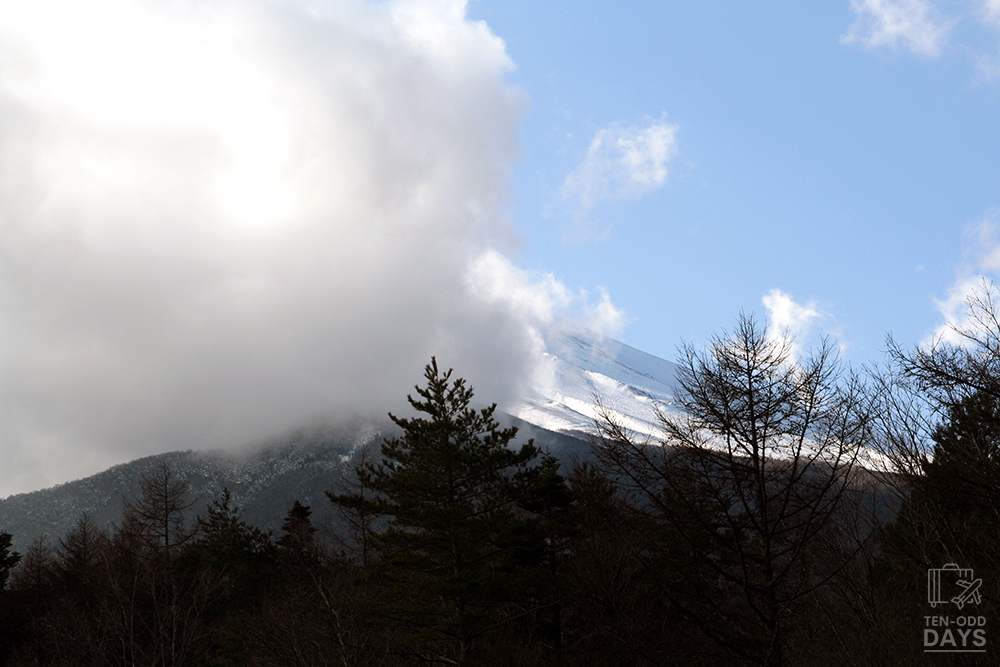
After a quiet and peaceful night sleeping at an Onsen Ryokan in Hakone (箱根), we left early the next morning in search of the elusive Fuji-san (富士山), otherwise more commonly known as Mount Fuji. The plan was to have the coach bring us up to the Kawaguchiko (河口湖) 5th Station for a closer view of the active stratovolcano, also the highest mountain in Japan. And if luck would have it, we might even get to walk a bit of the Yoshida Trail.
Of Ramen and Hello Kitty
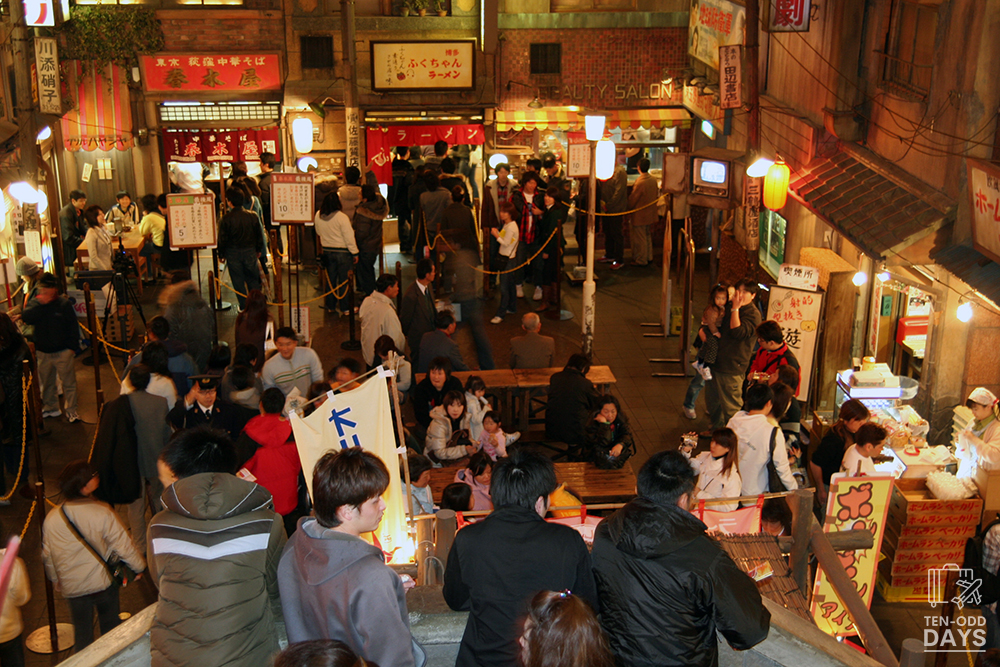
The coach transported us to Yokohama (横浜) where we spent time for the better half of the day. First and foremost, the Yokohama Chinatown (横浜中華街) cannot be missed. Purported to be the largest Chinatown not only in Japan but in Asia, it started and grew exponentially in 1859 following opening of the sea port in Yokohama.
Tokyo Disneyland, Adults’ Paradise Too
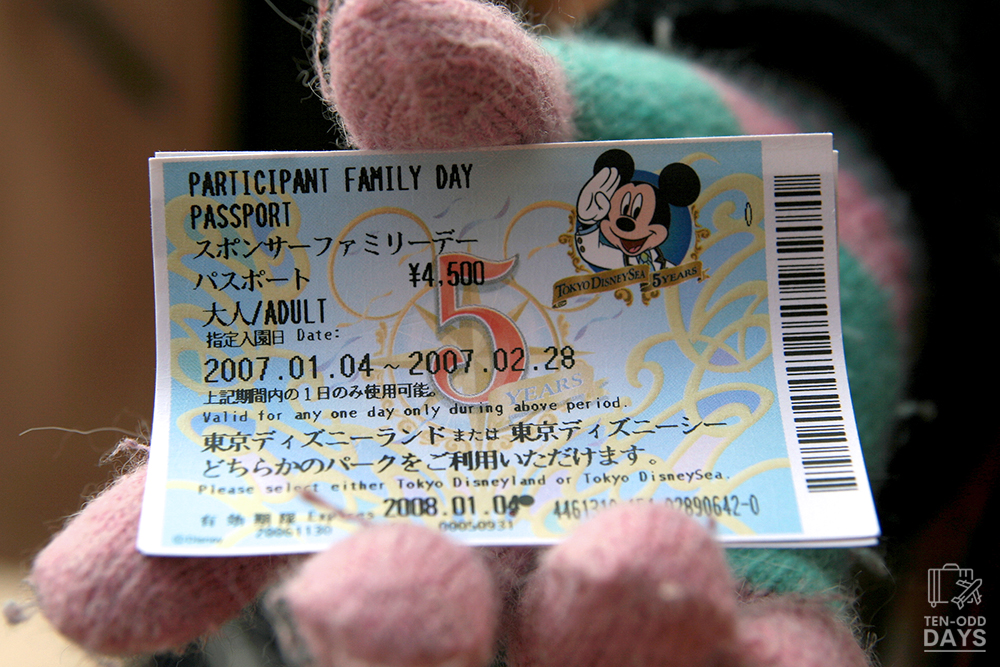
After a rather long flight including a layover at Bangkok Suvarnabhumi Airport, the mum, the little sis and I stepped foot on Japan soil. And immediately, as typical of most guided tours, we were whisked off from Tokyo Narita International Airport to Tokyo Disneyland. It was not our first Disneyland visit (the honour goes to Disneyland in California, albeit 20 years ago) and we were most certainly not expecting to be wowed like children.

One half of Ten-odd Days - the planning, writing and photo-taking half.
 Ten-odd Days