Ten-odd Days
traipsing to see the world, our way
Ankara vs Istanbul
Ankara vs Istanbul.
Angora vs Constantinople.
The new vs old capital.
Which of them is the capital of Turkey?
Did you get it right? Don’t fret if you did not. It’s a common misnomer to think that Istanbul is the capital of this country bridging Asia and Europe. Incidentally, it is Istanbul that straddles between these two continents. It is also Istanbul that has a long history of being the capital of the Eastern Roman Empire but no, it’s not the capital during modern times. Ankara is. Ask this question and I assure you eight out of ten persons will reply ‘Istanbul’. The ninth is either a native or has been to Turkey and knows the correct answer, while the tenth is simply good in general knowledge.
I’m no historian, and it’s virtually impossible to summarily dismiss Turkey’s entire history into a paragraph or two. I can only grasp the couple most important eras the country has been through: the Byzantine Empire and the Ottoman Empire. Being so strategically located, I can only say that Turkey has been through quite a bit of turmoil throughout history. Do bear with me as I try my utmost to summarise these two important periods in history.
The Byzantine Empire
The Republic of Rome was founded in 6 BC. It started expanding shortly after, but only moved out of the Italian Peninsula in 3 BC. For centuries following, the Romans were unstoppable in their quest to expand territory.
The Roman Empire was at its largest extent under Trajan in AD 117. By the 3rd century, the entire empire was deemed too large to be ruled by one single emperor. In AD 286, Diocletian split the empire into two along a northwest axis just to the east of Italy. Diocletian himself became the emperor of eastern half and made Maximian the emperor of the western half.
Fast forward to AD 324 when Constantine I was in reign. He built a new imperial residence in Byzantium (also known as Constantinople in late antiquity, and Istanbul in the modern world) and named it the new capital of the Roman Empire. That began the Byzantine Empire, which survived the fall of its western counterpart in AD 480 until the fall of Constantinople in 1453 to the Ottoman Empire, almost a good 1,000 years later.
The Ottoman Empire
Founded in 1299 by Osman I, the Ottoman Empire had its base just south to Constantinople. The taking of Constantinople in 1453 was the empire’s first step to growing into a powerful empire, expanding its might deep into North Africa, Europe and the Middle East.
Anatolia (also known as Asia Minor) which comprises most of Turkey as we know today, became part of the Byzantine Empire after the split of the Roman Empire into east and west. Notably, it was one of the first places where Christianity spread wide and far. By the end of the 14th century, much of Anatolia had already fallen to various Anatolain beyliks (something equivalent to lords).
Fast forward to Nov 1918 when Constantinople was occupied by the British, French and Italian troops following the end of WWI. A much weakened Ottoman Empire had no choice but to commence the process of partitioning the empire and that eventually led to the creation of a total of 39 new countries.
Turkey gained independence on 29 Oct 1923 after the Turkish War of Independence was won, at the same time, naming Ankara as its new capital.
Anakara is historically known as Angora. With a total population of 5.6 million, Ankara is the second largest city in Turkey, coming in behind Istanbul. It is famous for several things including Angora wool from Angora rabbits and mohair from Angora goats.

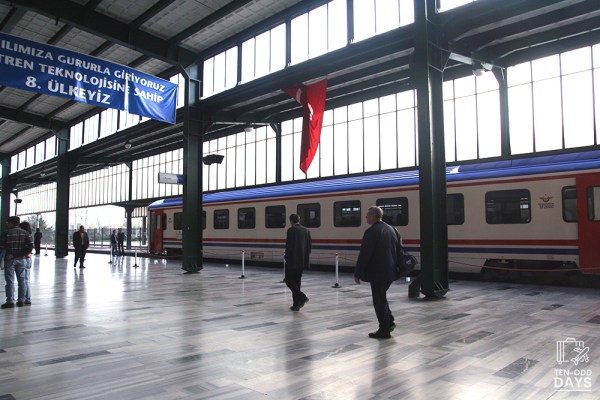
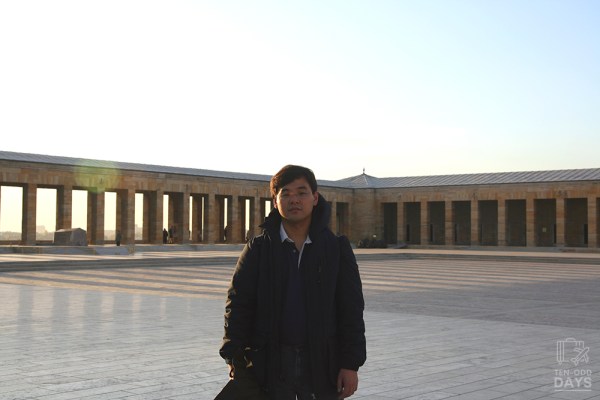
Our tour of Ankara was limited to only a train station nearby our lunch location and the mausoleum of Mustafa Kemal Atatürk, also known as Anıtkabir. After our lunch while waiting for our coach, we strolled to the nearby train station to take a look. I was genuinely surprised by how modern the station is, considering what a long history Turkey has. Train stations in Paris most certainly do not even remotely look like this.
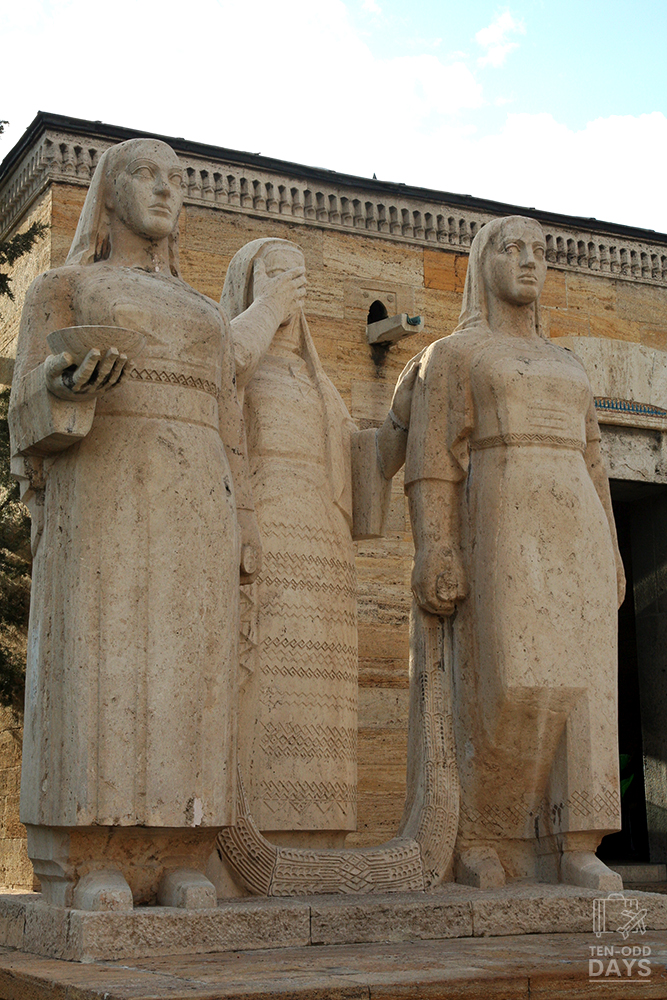
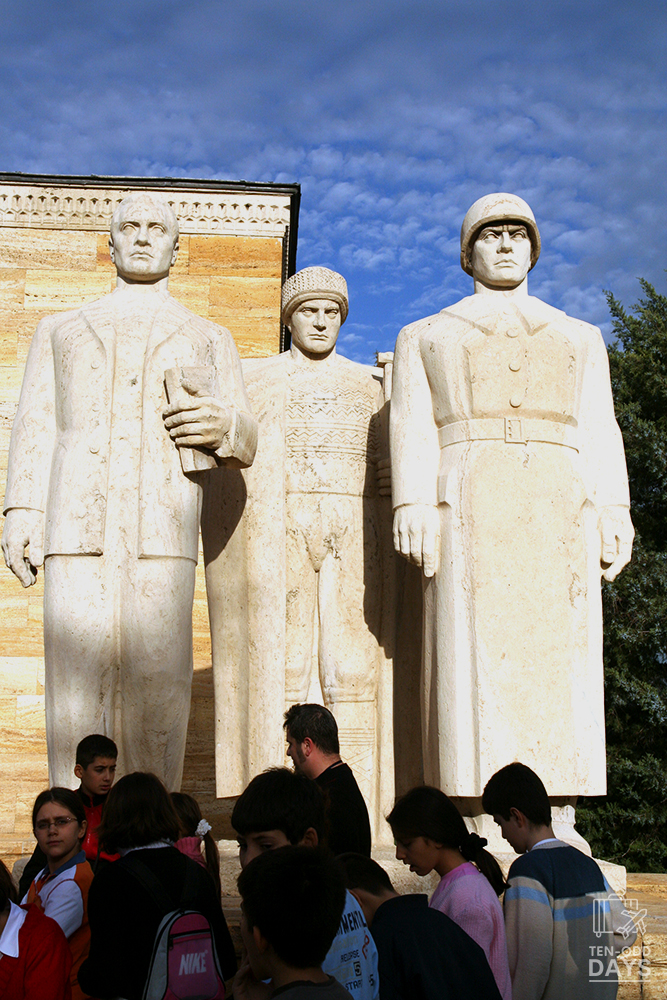
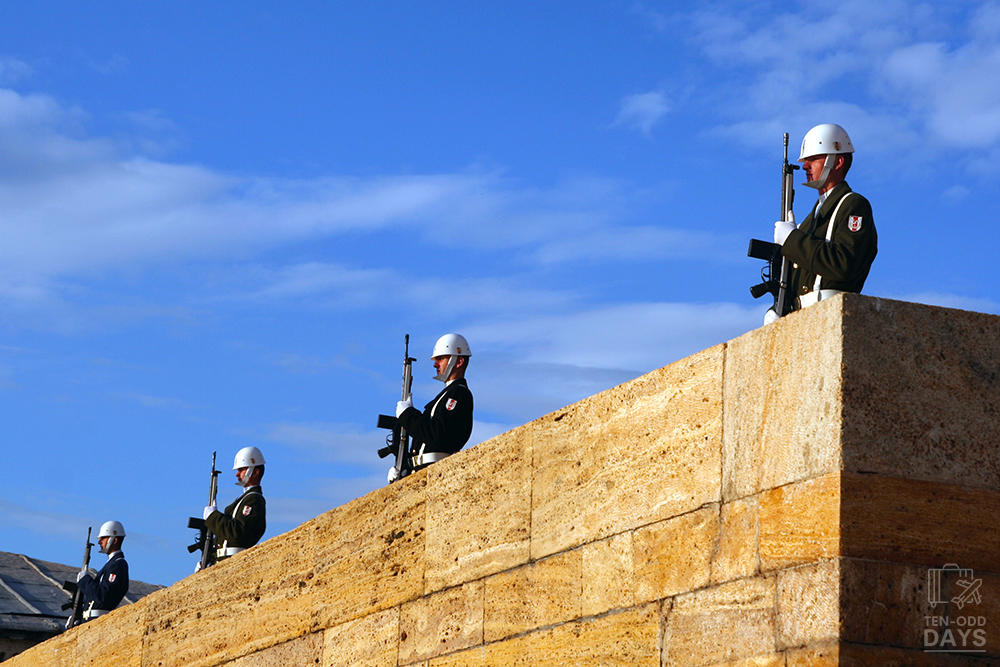
We entered the Atatürk mausoleum grounds via the entrance of the Road of Lions, and were introduced to the two sets of sculptures bearing great significance as they represent the population. The group of women sculpture ‘represents the Turkish women’s pride, solemnity and determination, even in the deepest grief of losing Atatürk‘ and ‘By the grievous expressions in the faces of all three statues, solemnity and power of will proper to Turkish Nation are expressed‘ in the group of men sculpture.
The country has great respect for Mustafa Kemal Atatürk, who was the leader that led the country to victory during the Turkish War for Independence. He also became the republic’s first president.
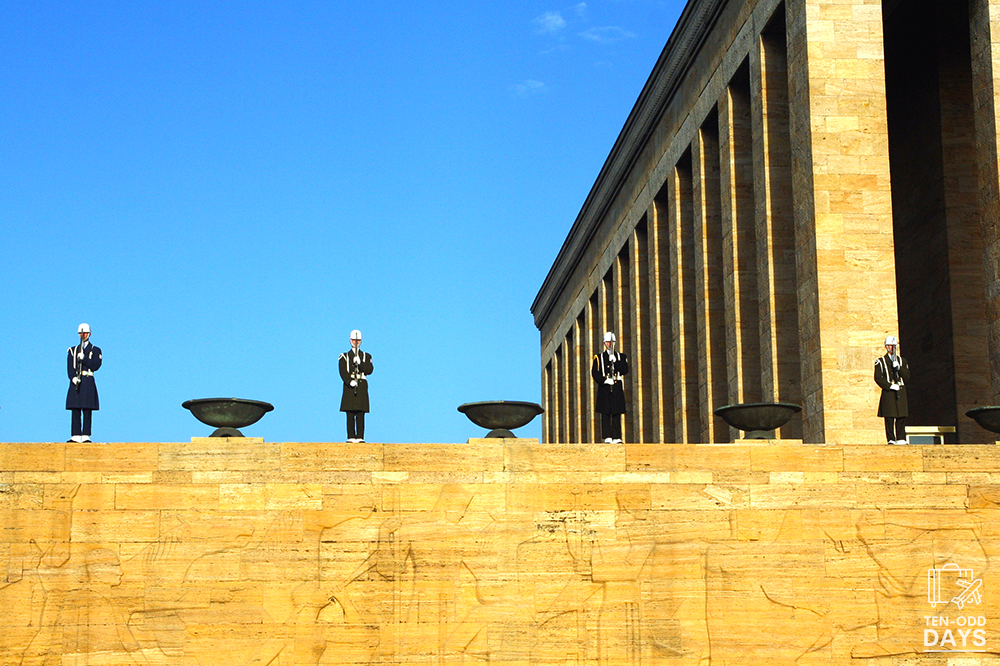
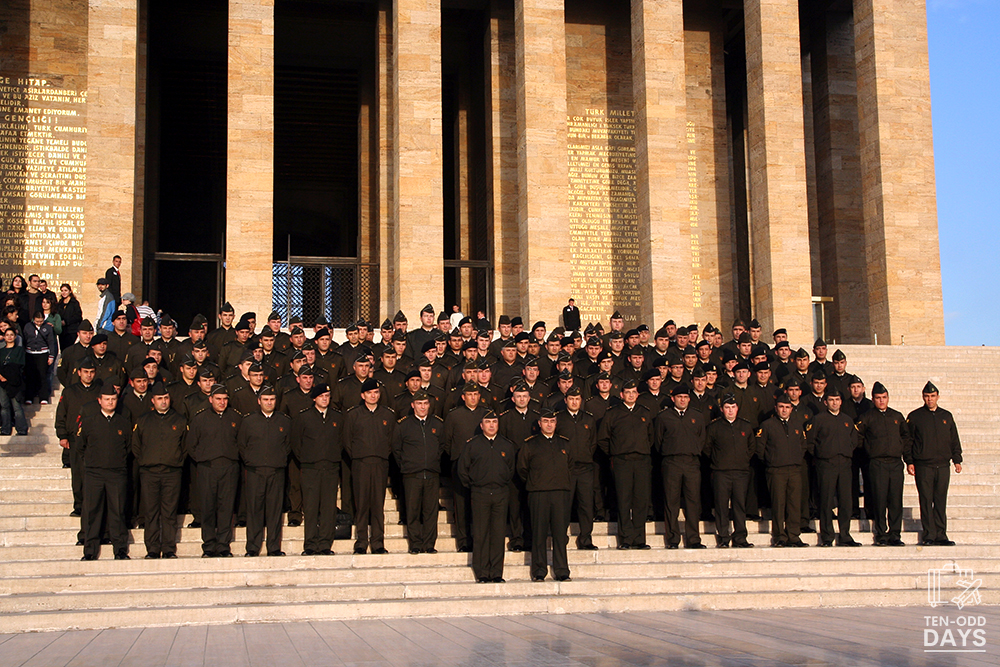
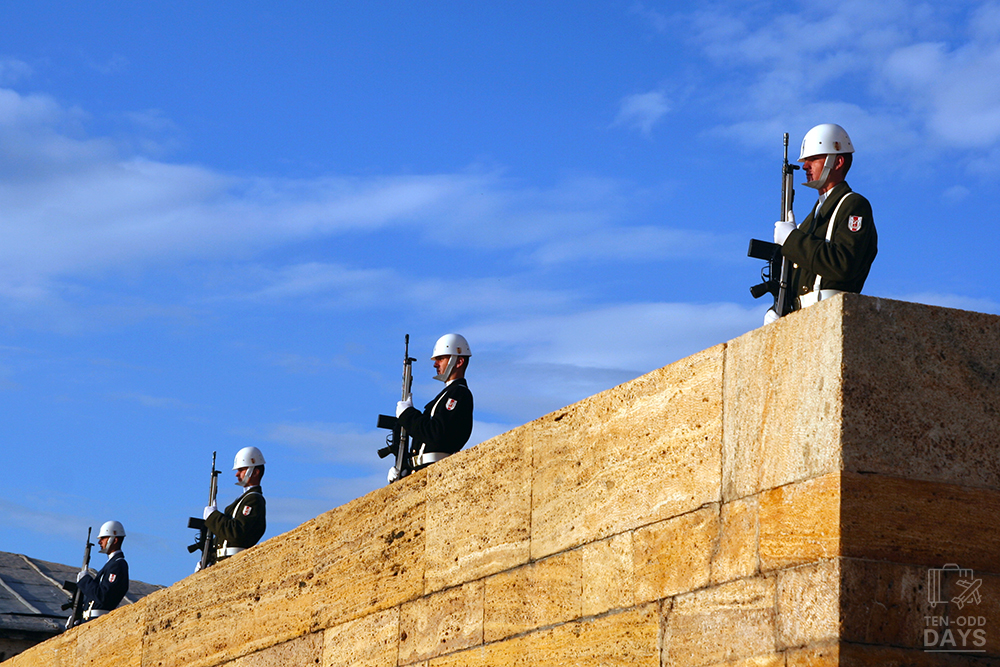
The solemnity of the site was acutely felt everywhere we went. We visited the mausoleum on the 10th death anniversary of Atatürk, six days after the actual day. There were people aplenty, especially in the building. We had no idea if the significant day ten days afore had anything to do with the crowd, but if I were to hazard a guess, I would say it probably played a part. That made our tour of the interior rather haphazard and quick since there were just too many visitors that afternoon. I think we spent more time enjoying the spacious plaza than indoors.
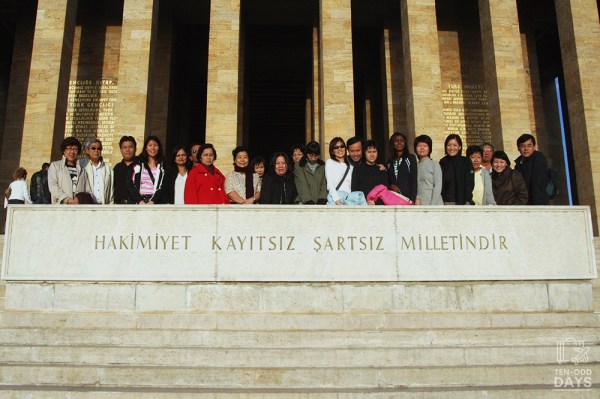
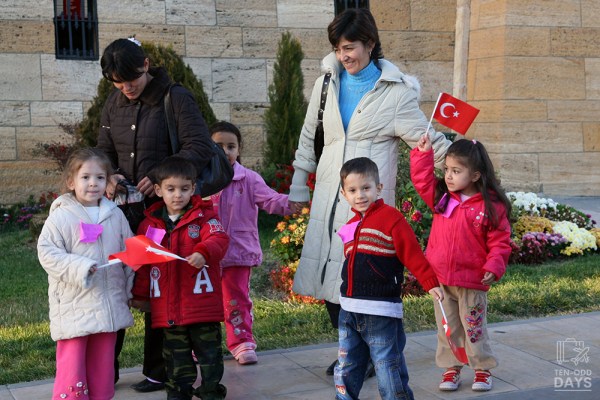
their teachers.
While waiting for our transport toward the end of our visit, a group of young Turkish children walked by, waving their flags enthusiastically. We found them cute as much as they found us… strange? 😆
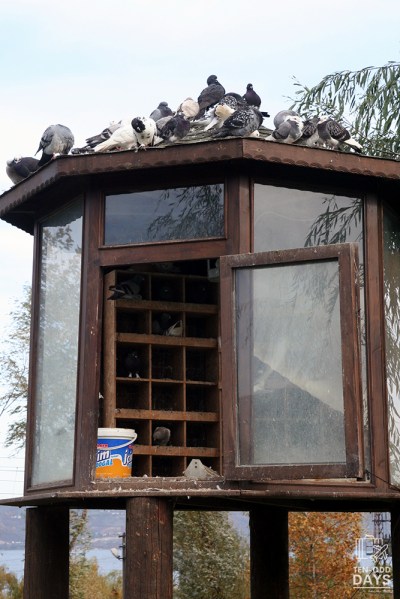
From Ankara, we headed back to Istanbul, our first and final destination the next morning. It typically takes over six hours by coach, but since we already left Ankara last evening and stayed somewhere between these two cities, we took a little over four hours to arrive at Istanbul. Where we immediately began our walking tour, to my dismay.
Our first destination: Sultanahmet Square, also known as the Hippodrome of Constantinople or Hippodrome Square. During the Byzantine Empire, it was a square where sporting events like chariot races were held and throughout the period, it was central to social activities being held in Constantinople.
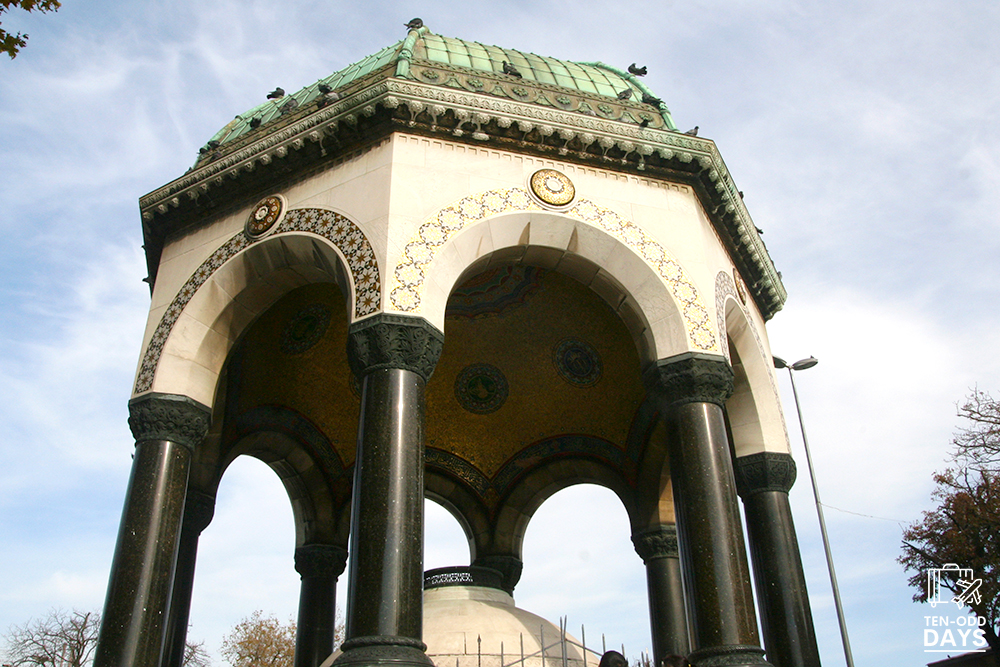
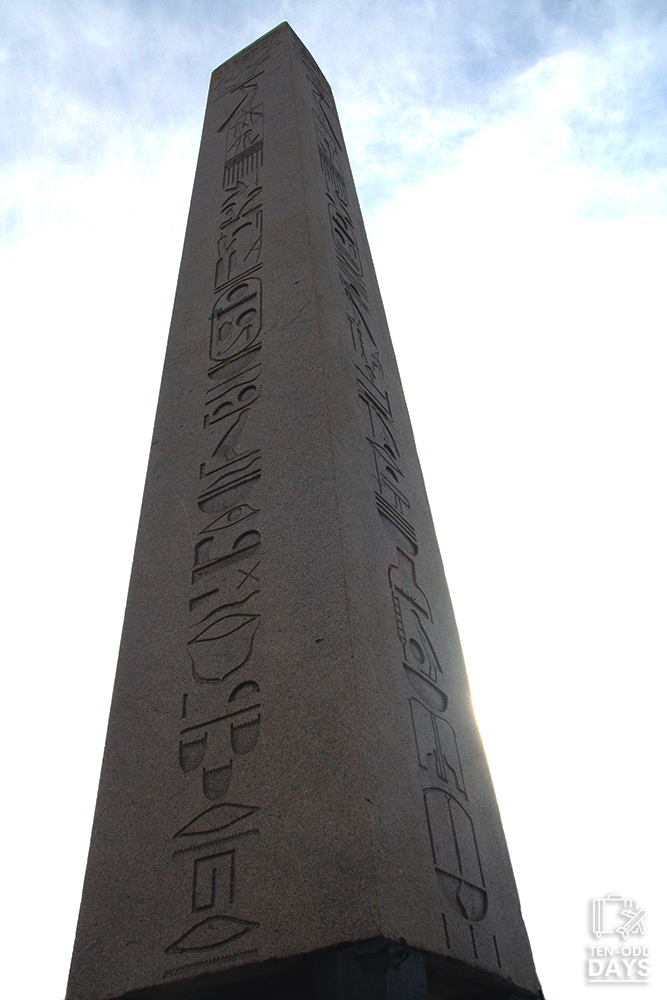
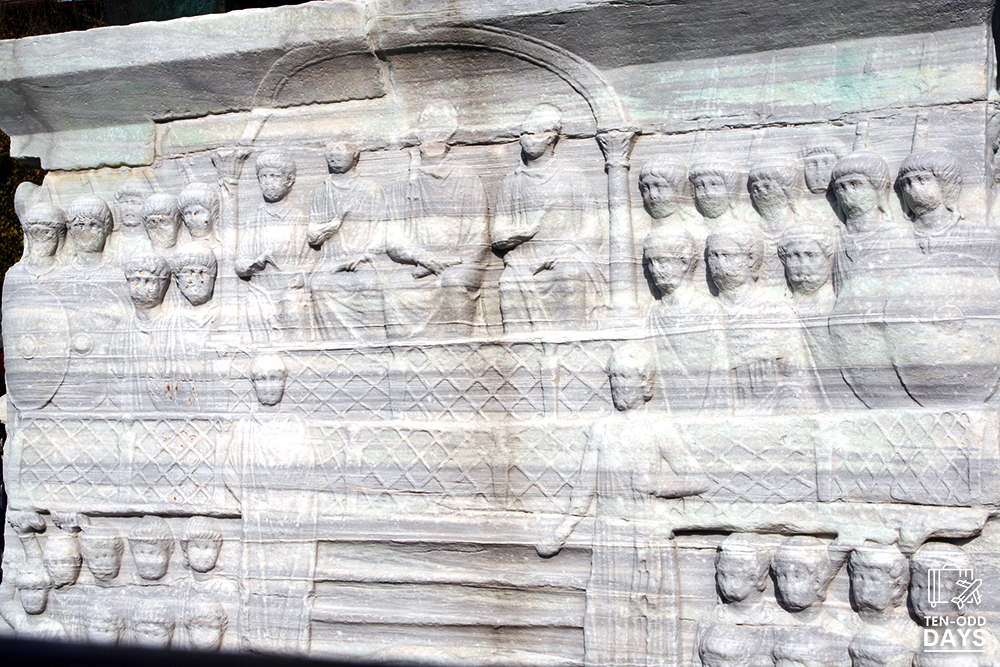
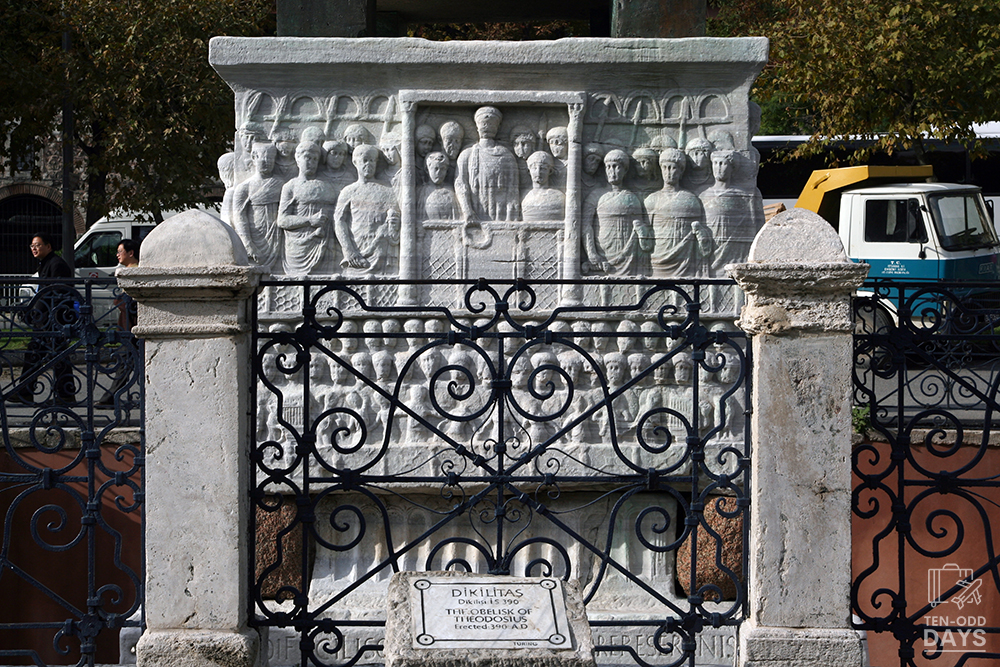
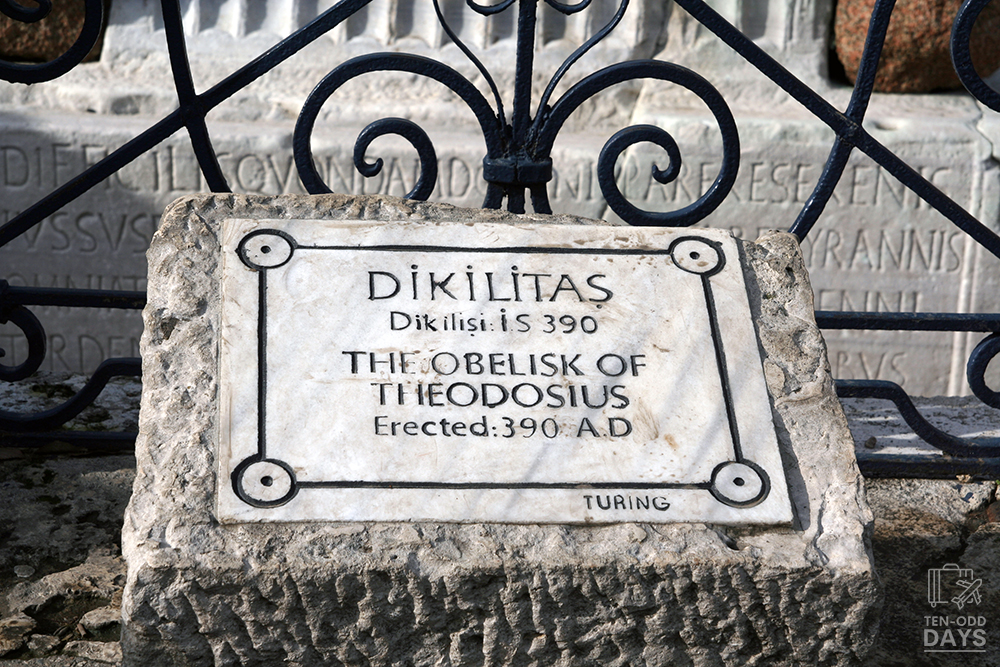
Constantine I was immensely proud of Constantinople, and it was evident from the way he and his successors spared no efforts in adorning the Hippodrome, including cutting an obelisk into three parts in order to transport it all the way from Egypt. The emperor who commissioned this move was Theodosius and thus the obelisk was renamed from Obelisk of Thutmose III to Obelisk of Theodosius.
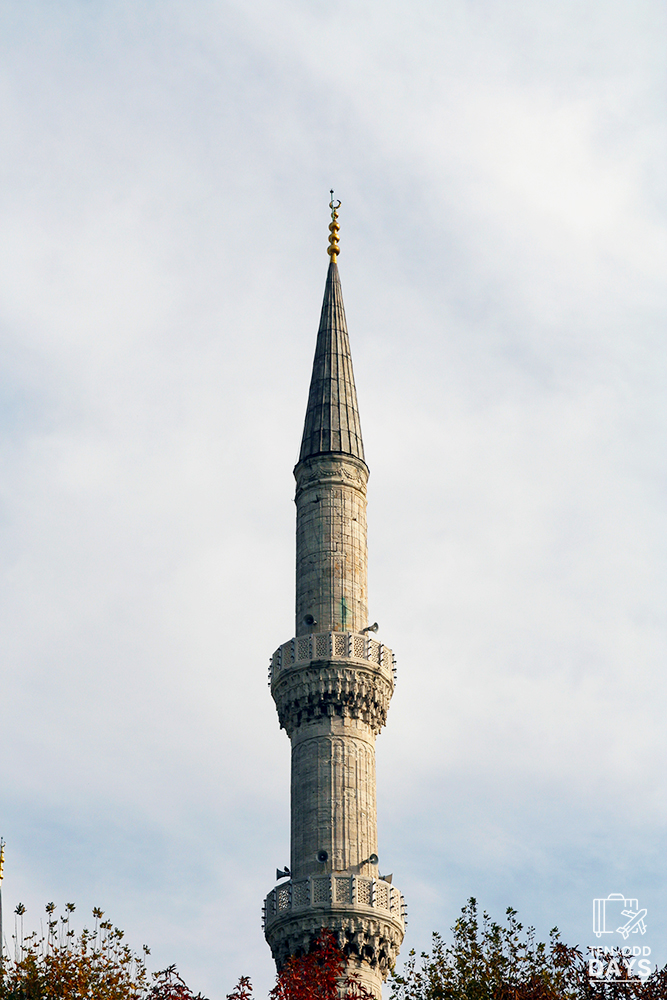
From the Hippodrome Square, we saw a tall minaret in the distance and were told that it belonged to the Blue Mosque, our next destination, followed by the inimitable Hagia Sophia. These two mosques will be covered in the next post; they are important enough to deserve a post of their own.

One half of Ten-odd Days - the planning, writing and photo-taking half.
 Ten-odd Days