Ten-odd Days
traipsing to see the world, our way
The Pink Palace Alhambra
We spent the night away in a very large room. There were a total of 4 doubler-decker bunk beds for the both of us, and the huge space really unsettled me. I most likely didn’t sleep the whole night because it just felt… strange. The mister felt the same way but we both unilaterally but unanimously decided to keep it to ourselves until we left the hotel the next morning. Suffice it to say that we were both mighty glad when we got to leave the room for good.
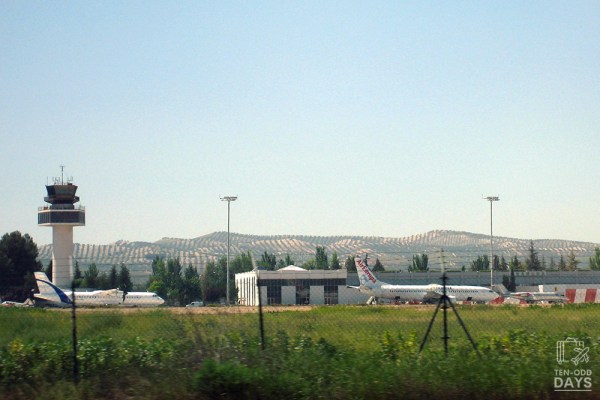
After breakfast, we were hanging around outside waiting to board the coach and that was when we were rather surprised to learn that hotel in the outskirts of Granada is located just across from where Granada National Airport is! Not very certain here, but I’m guessing that this airport serves only domestic flights and probably doesn’t operate at night since we were not bothered by landing or departing aircraft the night before.
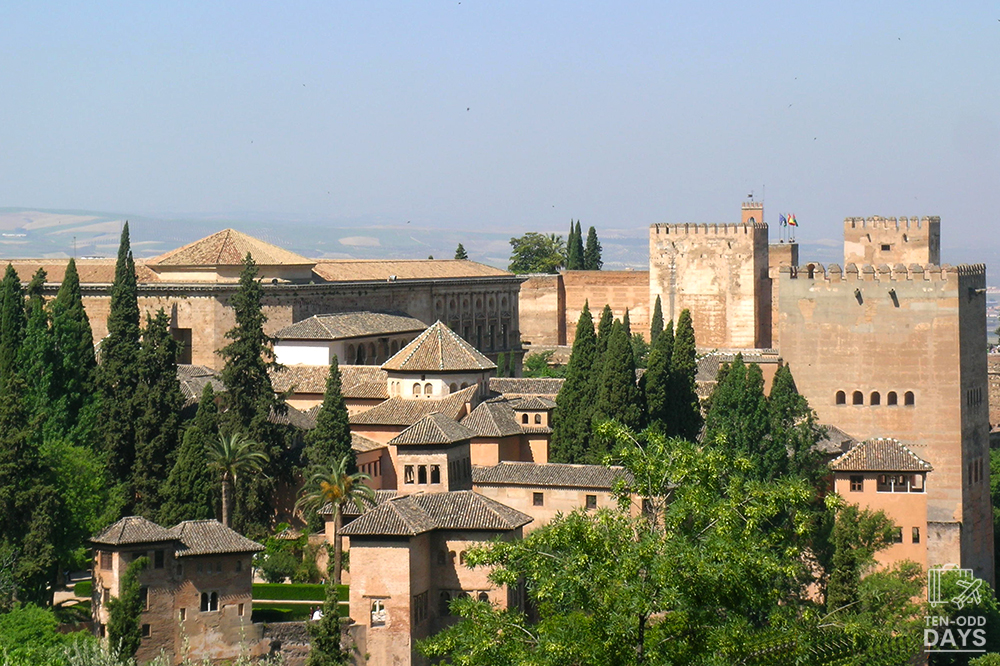
And the day has finally arrived! We are finally visiting La Alhambra, the location I consider to be my personal highlight of this trip. While this palace and fortress complex is perhaps not as well-known as Sagrada Familia the iconic landmark of Spain, it can most certainly hold its own with its colourful history, evident from being the second most visited tourist attraction of the country.
A cursory check on Alhambra’s official ticketing website gives one an idea of how massive the palace grounds are. Apart from the palace itself, there are massive gardens and museums for both day and evening admissions. And since queues for both ticket-buying and entering are equally long, an intended visit must be planned in advance. This is really something I want to put out there for everyone including ourselves (we do want to explore Andalusia on our own again, one day) to consider since it’s easy to think that this seemingly lesser known attraction will be less crowded.

Yup. Crowded. I think it wasn’t that difficult to conclude. And this was just at the entrance. We were hoping that the crowd dispersed in the sparse palace grounds. We were fortunate that it really did.
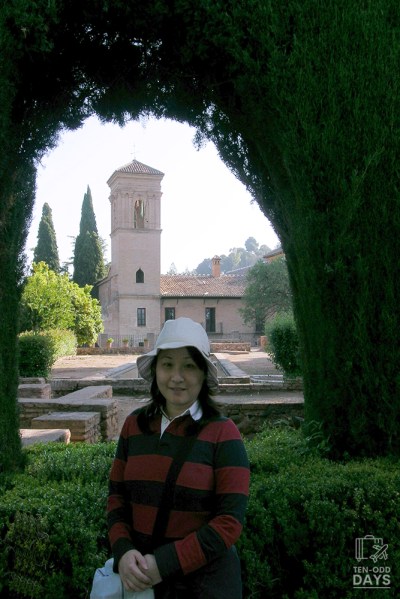
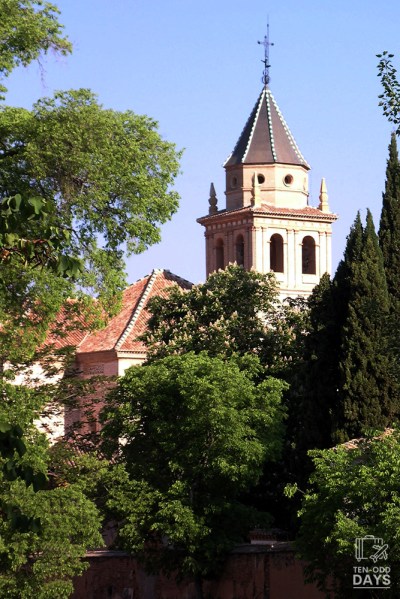

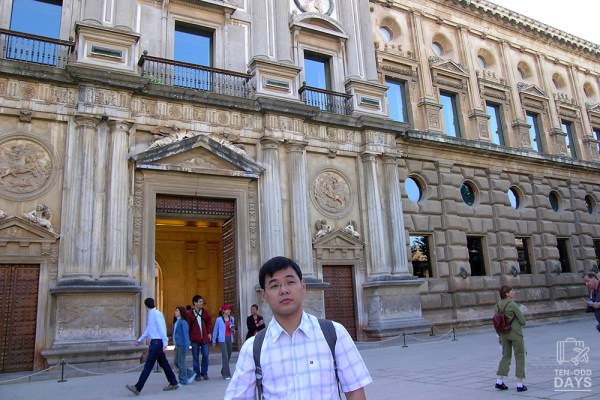
We walked quickly through the gardens to keep in pace with our guide through the grounds, to get to Charles V Palace. Came by beautiful buildings along the way but we were running on a schedule trying to beat the crowd so…
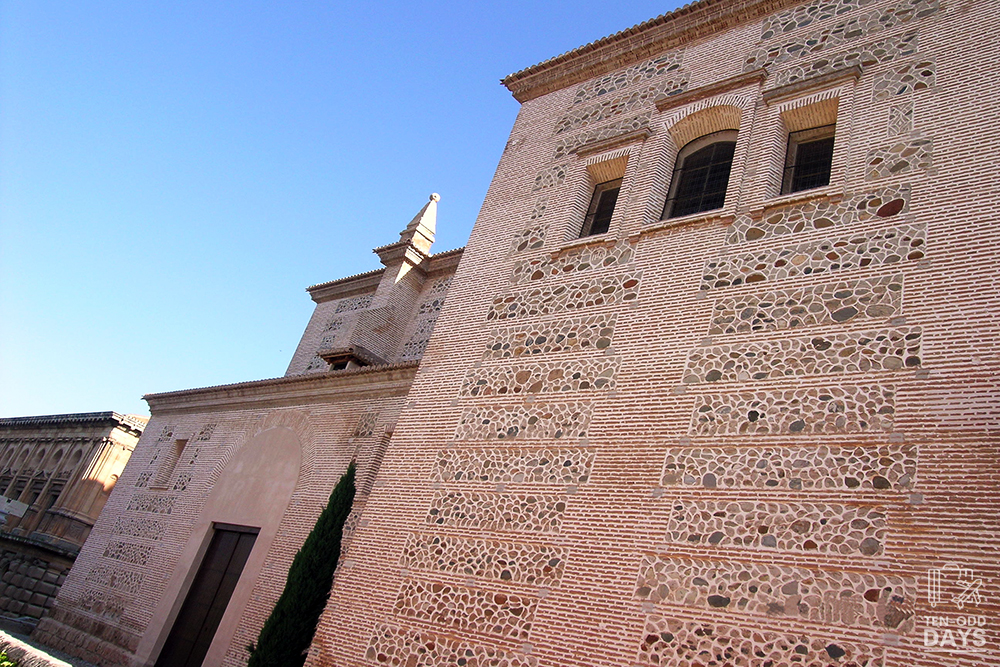
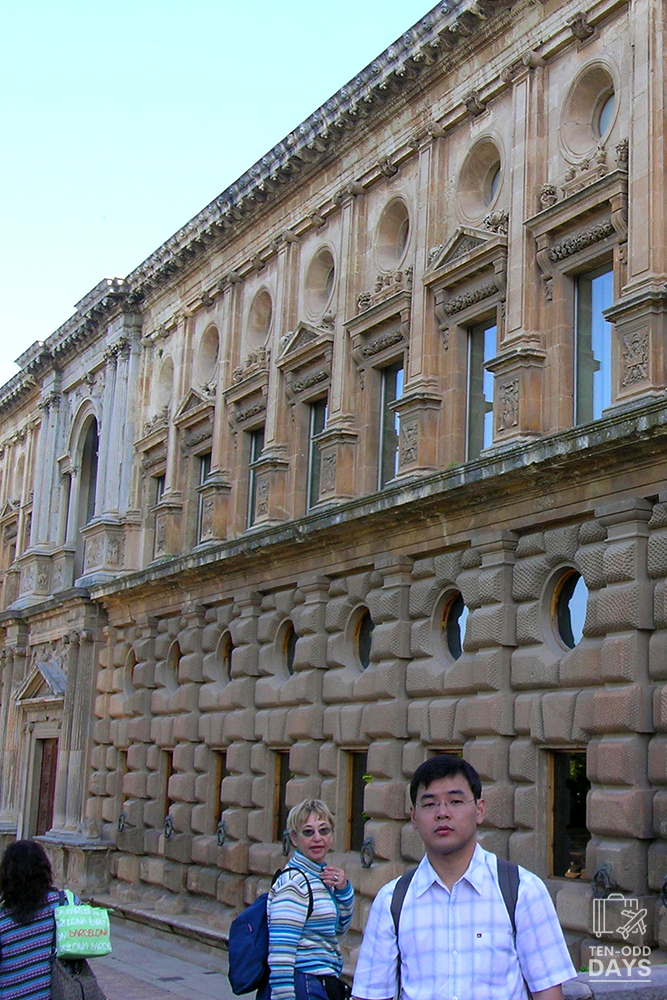
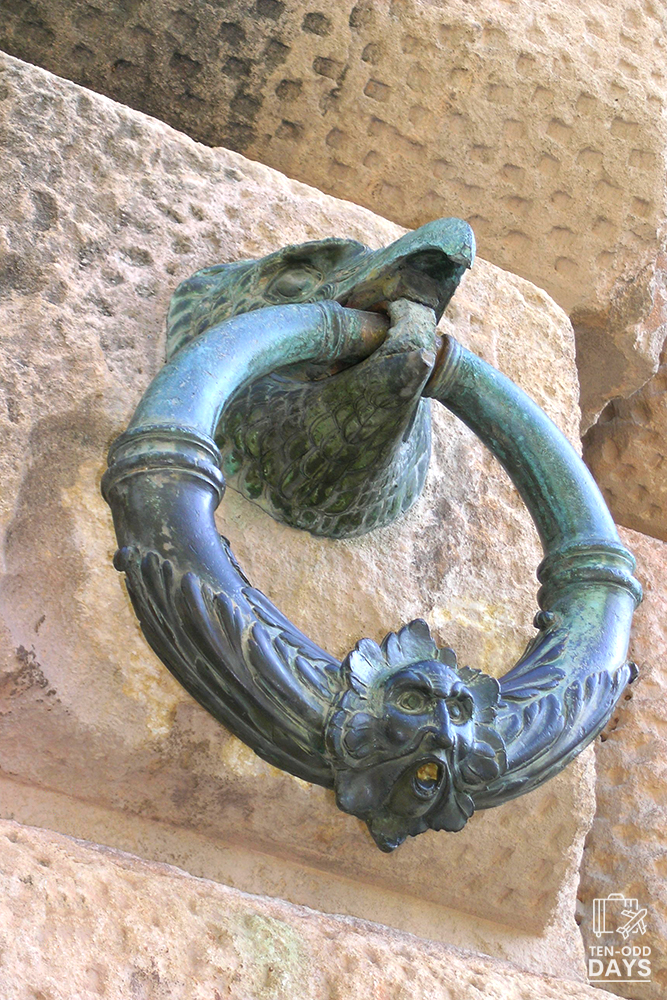
Charles V Palace (Spanish: Palacio de Carlos V), possibly one of the most unique structures within the compound of La Alhambra, was ordered to be constructed by Charles V, the Holy Roman Emperor from 1500-1558. While some of the rooms within the palace had been converted by Catholic Monarchs after the conquest of Granada in 1492, Charles V wished to have a permanent residence befitting his status to be built near the Alhambra palaces.

This building is of relative importance in Spain due to the Renaissance style although it met with multiple difficulties and construction was only completed in 1952, more than four centuries after works commenced in 1527. Standing within the unique circular two-storey patio almost made me feel like I was in a bullring. Totally unrelated to the structure itself but considering that I was in Spain after all, I didn’t feel too bad about this gross misunderstanding.
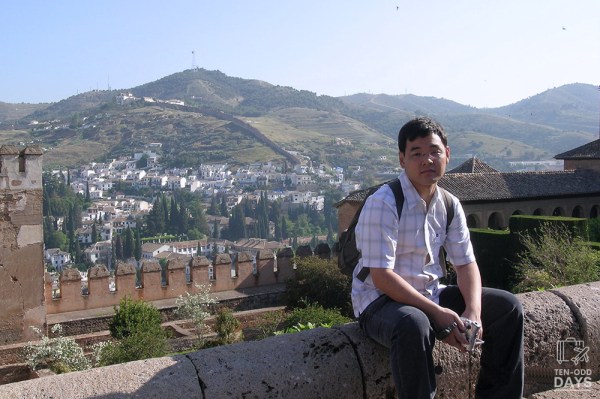

From Charles V Palace, we proceeded to the fortress of Alcazaba, one of the oldest part of Alhambra. Built in the 13th century, the Alcazaba had had a colourful history: when the palaces were completed, the Moors used this fortress for military purposes. Later on when the Christians took over, they transformed it into the state prison. Like many other parts of Alhambra, it was neglected, fell into disrepair and was forgotten until the late 19th century when restorative works commenced.
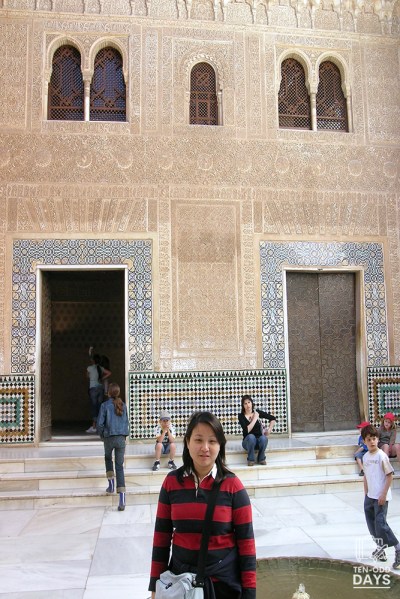
became a meeting place for everyone.

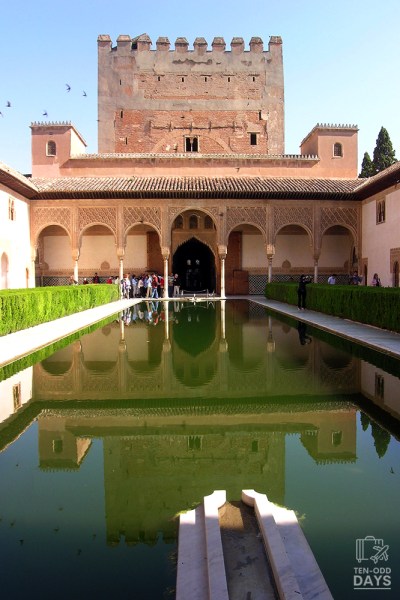
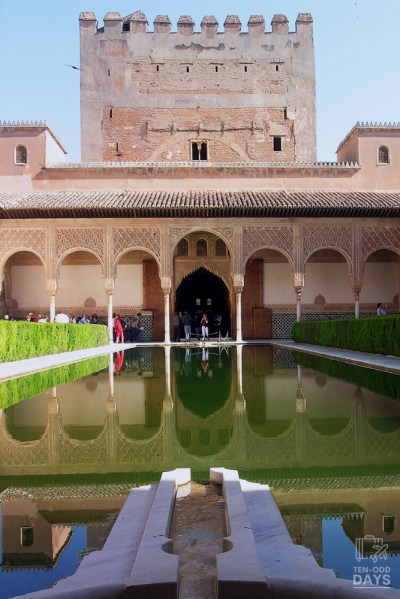
Throughout history, Court of the Myrtles (Spanish: Patio de los Arrayanes) was given various names but the current name came about because of the myrtle bushes surrounding the central pool. At 31 metres long and slightly over 7 metres wide, this pond has somewhat become an iconic spot whereby every visitor to Alhambra tries to photograph (the queue to get into the vantage spot was long). It’s easy to see why – the green pool acted as a mirror, reflecting the surrounding buildings and structures.
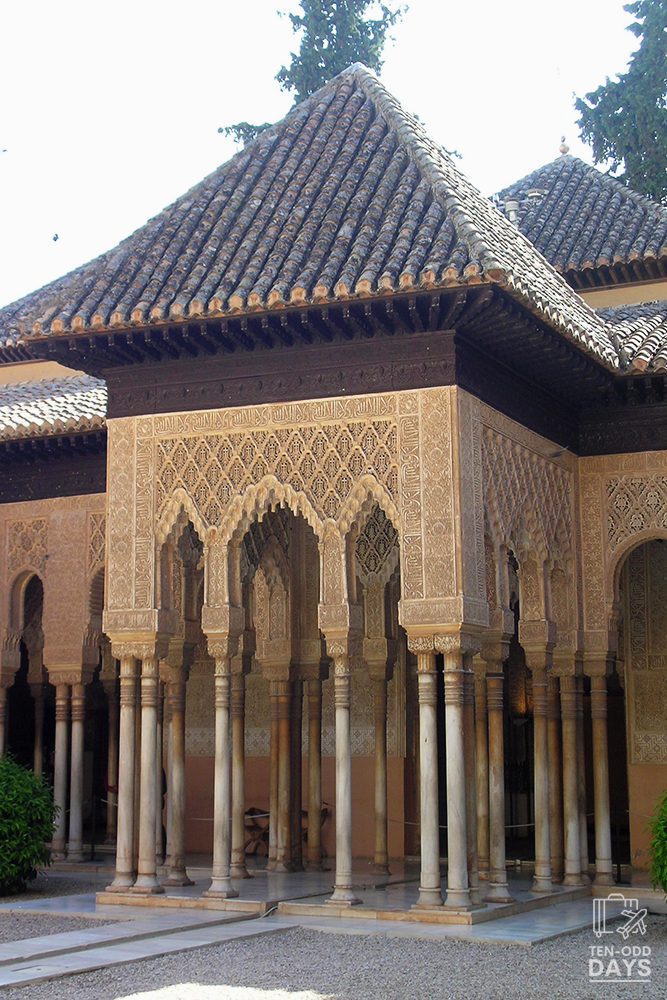
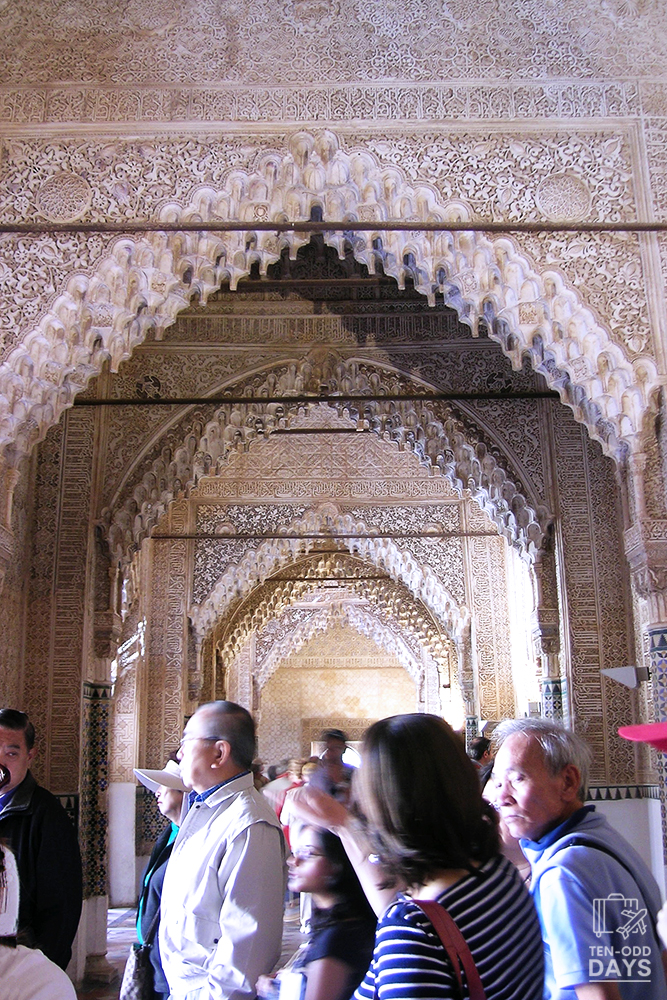
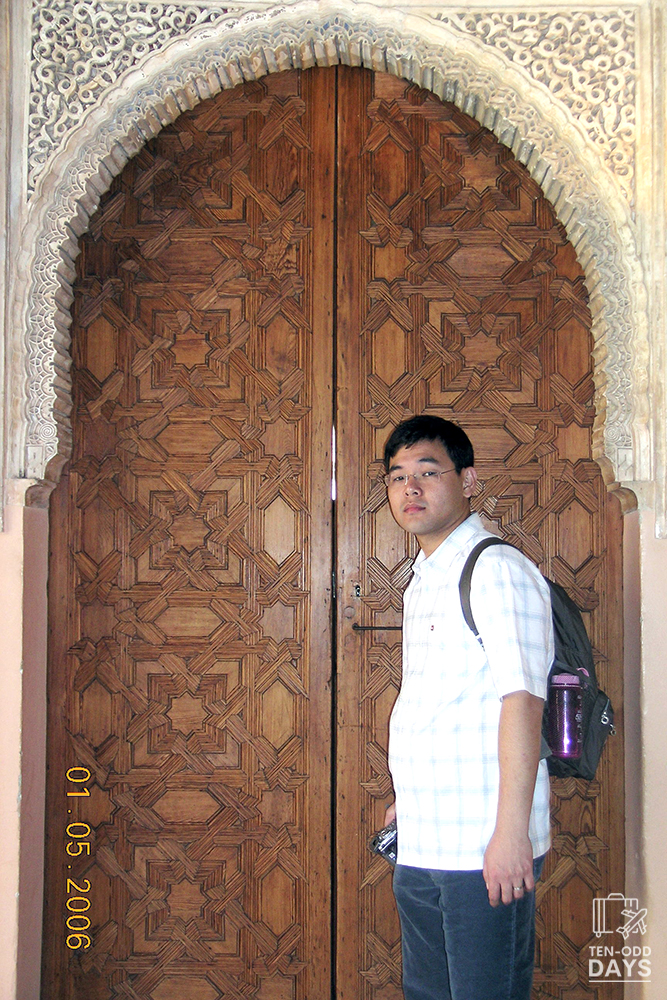
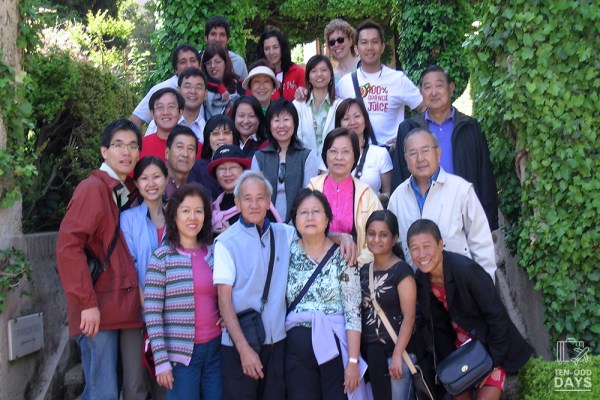
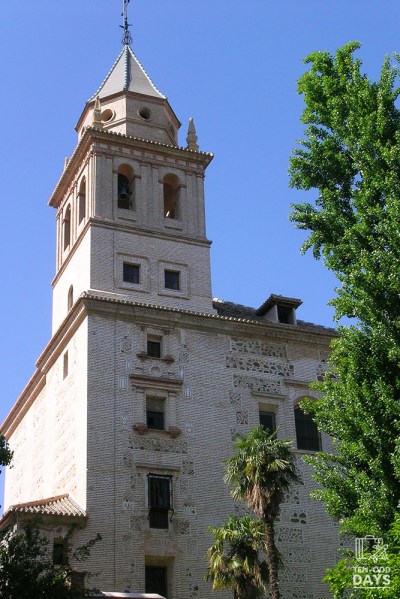
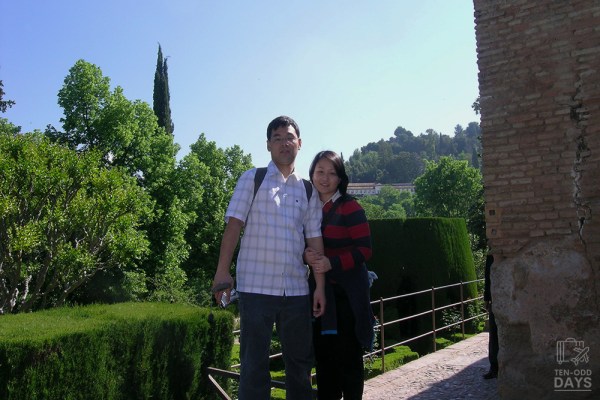

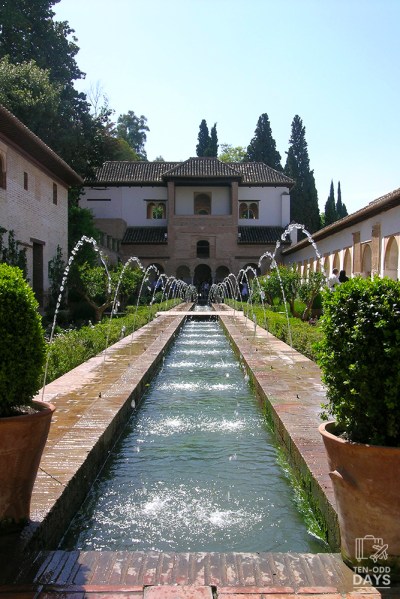
You could say that our guide saved the best for last. The Generalife (Spanish: Palacio de Generalife) we see today is nothing like what it looked like before, since it was altered and rebuilt multiples times throughout history since the 13th century. Composed of several beautiful, large gardens, the quarters became a retreat for Kings of Granada who wanted to get away from the mundane-ness of their duties. In contrast to the more opulent architecture of other buildings in the area, buildings of Generalife are plain and simple. Here, the floral and water take centrestage.
While walking in Generalife, I get it why this place was chosen as the place to get away from it all. With the greenery and sounds of water trickling, I felt calm and at peace despite the heat. Kinda makes me wonder how this place looks like at night. From pictures online, La Alhambra is breathtaking at night.

One half of Ten-odd Days - the planning, writing and photo-taking half.
 Ten-odd Days